The effects of ageing eyes become more common once we’ve hit the milestone age of 40. The ageing process causes our eyes to be less efficient in performing normal visual functions and results in individuals needing additional eye-care assistance to see well. Don’t be alarmed if you start experiencing ageing visual disorders from as early as 36 years of age, because this is when the eye-ageing process starts for many people. Ageing eyes also carry additional risks such as an increased chance of having sight-damaging disorders, trouble reading, tired eyes, dry eyes, computer vision syndrome and digital eye fatigue.
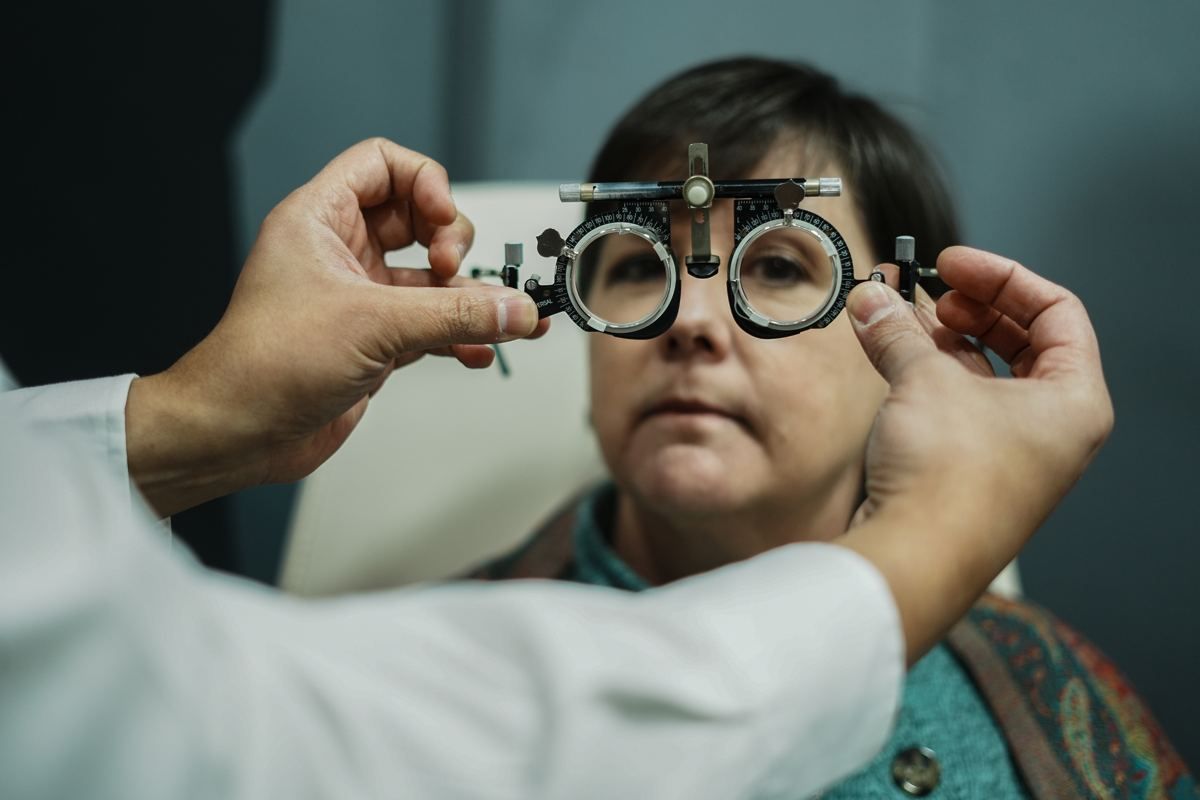
A regular visit to your nearest Dynamic Vision Optometrist can help pick up early signs of ageing eyesight conditions in time. The earliest signs of ageing eyes include: losing the ability to focus on things that are close-up (presbyopia), difficulty adapting to different lighting environments and tending to need more light to be able to see things clearly.
Presbyopia, the reduction in our close vision is one of the first signs of ageing to look out for. In this case, objects such as a newspaper, need to be held further away to be able to see. This is caused by gradual hardening of the lens which can lead to the eye focussing light behind, and not on the retina when looking at nearby items. Many people get their first introduction to a pair of reading glasses because of this disorder.
There are however, ways to look after your eyes as they age. Listed here, a few general eye-care tips that can help:
- Have routine eye exams at least every year and discuss all concerns you have about your eyes and vision with your optometrist. It is generally recommended to change your reading glasses regularly and consider different types of glasses for different requirements, for example you would require a different pair of reading glasses for bedtime compared to computer work.
- Let your optometrist recommend vision correction options, such as lenses that ease the strain of close work and screen use
- Eat a healthy balanced diet that is high in omega-3 fatty acids and antioxidants
- Allow yourself more time to adjust to changing light conditions and avoid reading in dim lighting environments
- Ask about an anti-reflective coating to cut glare from computer and mobile screens
- If you already wear glasses for distance, talk to your optometrist about multifocal lenses, which will help you see objects at all distances. It is better to start wearing them sooner rather than later, as it gets more difficult to adapt to them as you get older
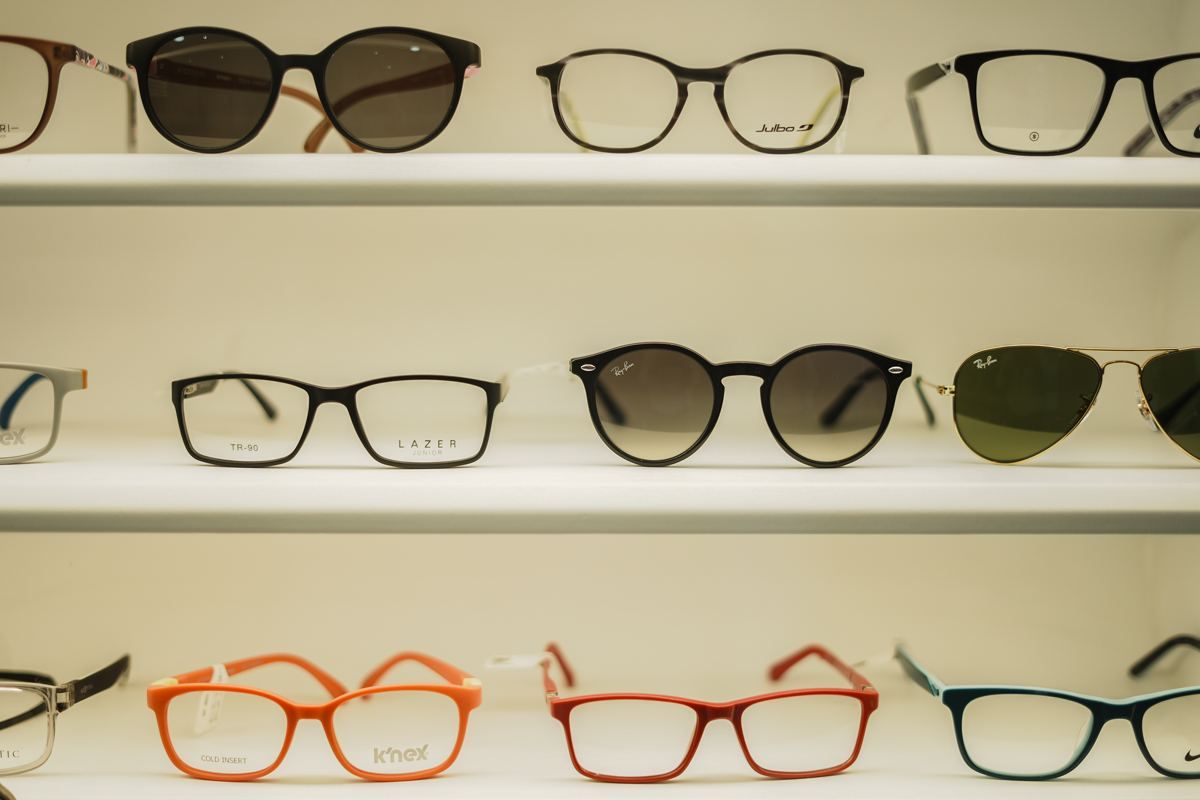
- Make sure to get yourself a comfortable pair of fashionable frames that makes you look and feel great – you are far more likely to wear them every day
Eye-care should be part of our everyday lives and the earlier we start to take care of our eyes the better. Enormous developments in lens technology are making lenses thinner and lighter. This means less lens material can be used to provide sharper vision, and lenses are more comfortable and can easily fit into fashionable frames. Modern lenses look no different from normal spectacles and therefore would not make you look old.
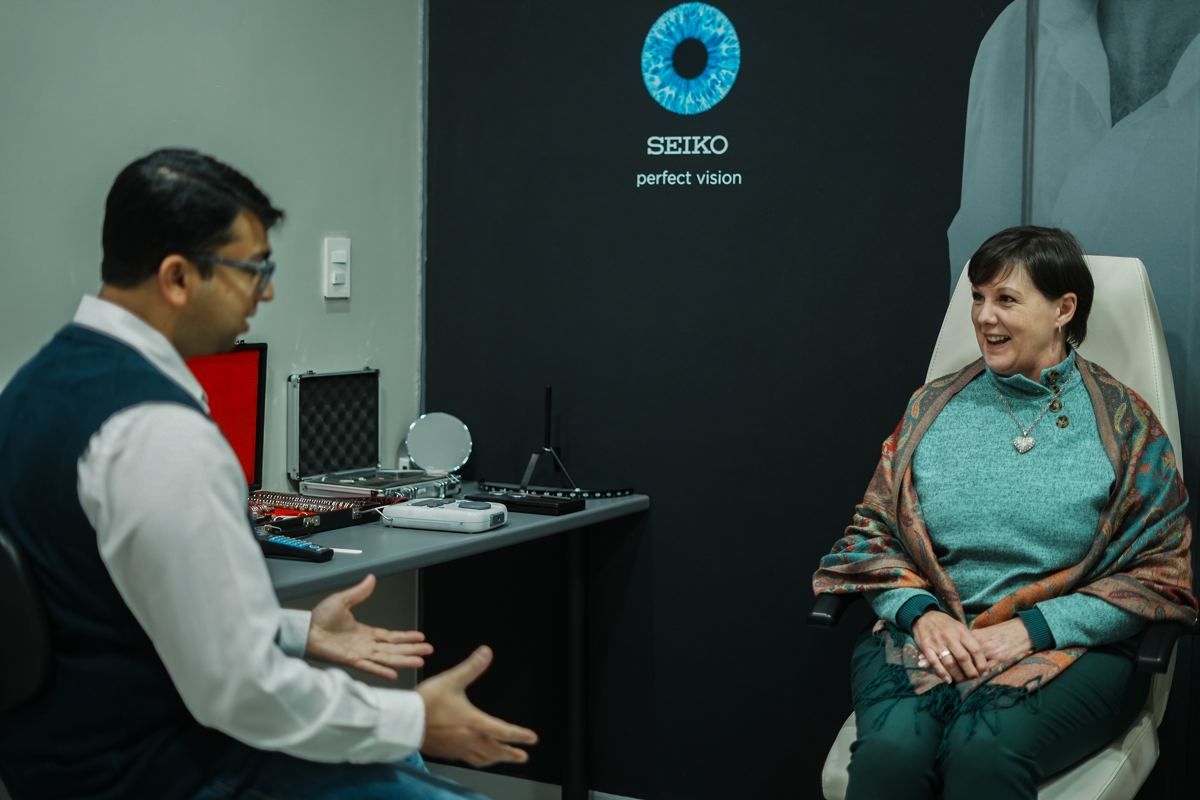
Your optometrist can explain the lens options that suit your needs, from lenses made for sport to thinner lenses that reduce distortion and lenses designed around your prescription.
If you are over 40 and spend more than three hours a day on screens, ask your optometrist about computer lenses with an anti-reflective coating to cut screen glare. If you also need distance correction, ask about multifocal lenses. It is easier to get used to them sooner rather than later.
Computer support lenses are also recommended for students and office workers who are still under the age of 40 and spend more than four hours a day looking at a computer screens. These lenses can make close work more comfortable and help ease eyestrain. Make sure to visit us for a comprehensive eye test and receive customised advice on how to care for your eyes.

Hitesh Daya has been an optometrist for 22 years and does every eye test at our practice. Call us on 011 620 2410 or book online.